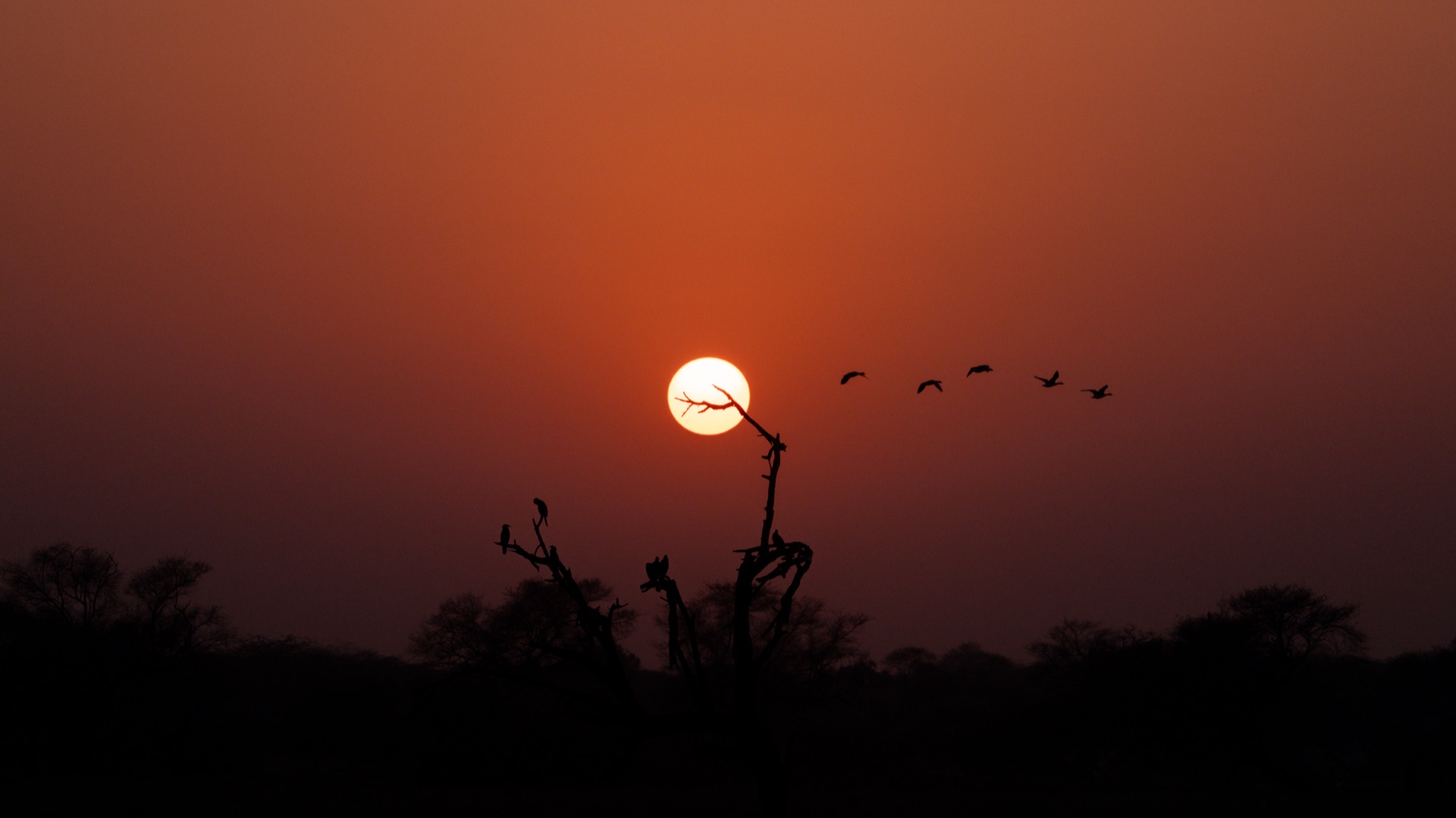
Most photographers look for a subject and then worry about light.
I used to do this too. I'd find a rhino, a mountain, a face, and then think: how's the light? Sometimes I got lucky. Mostly I got technically correct photographs that felt like nothing.
Then I spent a week in Spiti Valley forcing myself to only photograph light — not things, just light — and everything changed.
The Exercise
Simple rules:
- No portraits. No landmarks. No animals.
- Only photograph light itself — how it falls, bends, reflects, disappears.
- Shadows count. Gradients count. Reflections count.
The first day, I came back with nothing usable. The second day, I started seeing doorways differently. By day four, I was lying on cold monastery floors to catch the angle of morning light through a single small window, and I understood something I couldn't have explained before.
Light has personality.
Not metaphorically. Literally. It has direction, temperature, quality, and intention. Hard light accuses. Soft light forgives. Golden hour light makes everything nostalgic. Overcast light is honest.
The Three Questions
Now, before I raise the camera, I ask three things:
1. Where is the light coming from? Not generally — specifically. What angle, how high, how diffused. This tells me where the shadows will land and what the subject's volume will look like.
2. What is the light doing to the subject? Is it revealing texture? Flattening it? Creating separation from the background? Catching something reflective? The light and the subject are in a relationship. You're documenting that relationship.
3. Will this change in the next five minutes? Light changes constantly. Golden hour lasts maybe twelve minutes. The shadow that's perfectly framing your subject will move. Either shoot now or decide deliberately to wait for something different.
On Overcast Days
I used to hate overcast light. Flat, colourless, uninspiring.
I now think overcast light is one of the most honest kinds. It removes the drama, the magic-hour romanticisation, and shows you the subject as it actually is. Portrait photographers love it for exactly this reason — it's forgiving and even, and it makes skin look real rather than golden.
The mistake is to avoid these days. The opportunity is to lean into them. Find subjects that benefit from evenness. Look for small moments — a face, a hand, a cup of tea — rather than grand vistas that need drama to work.
The One Technical Thing
I resisted learning histograms for years. It felt clinical, anti-intuitive, like bringing a spreadsheet to a feeling.
I was wrong.
The histogram tells you something your eyes can't reliably tell you on a bright screen in changing outdoor light: whether you've actually captured the tonal range you think you have. A slightly overexposed image can still look fine on your camera screen. On a larger display later, the highlights are blown out and unrecoverable.
Expose for the highlights. Recover the shadows in post. Not the other way around.
That's the one technical rule I'd give anyone starting out. Everything else is philosophy.
Light is the whole thing. The camera is just a bucket you use to collect it.
Every photograph you've ever loved — loved in that way where you look at it and feel something settle in your chest — was first a quality of light that someone noticed before they pressed the shutter.
Start there. Notice the light first. The subjects are everywhere.